
Last updated:
The The Bahamas offers incredible things to do for every type of traveler. You can swim with dolphins, explore colorful coral reefs, or relax on pristine beaches. The islands feature 13,880 square kilometers of turquoise waters and white sand. With a population of 410,000 friendly locals, the The Bahamas welcomes about 5 million visitors yearly. Most travelers arrive by plane at Lynden Pindling International Airport in Nassau. English is the official language, making communication easy for North American and European visitors.
Whether you travel solo, with a partner, or with your family, the The Bahamas has something special for you. Adventure seekers find world-class diving and snorkeling. Couples enjoy romantic sunsets and beachfront food-dining">dining. Families appreciate safe, shallow waters and kid-friendly attractions. Solo travelers discover a welcoming, safe destination perfect for exploration. The best months to visit run from November through April, when temperatures stay warm and hurricanes are unlikely.
Best Beaches in the the Bahamas
Cable Beach on New Providence Island stands as one of the most popular beaches in the The Bahamas. The beach stretches for miles with soft white sand and calm waters. You can rent beach chairs, umbrellas, and water sports equipment easily. Cable Beach offers plenty of restaurants, bars, and shops within walking distance. The water stays shallow near shore, making it perfect for swimming and families with young children. Parking is available throughout the day.
Paradise Island Beach delivers luxury and beauty in one stunning location. This private beach offers pristine conditions and exclusive resort access. The sand is powdery white, and the water transitions from light turquoise to deeper blue. You don't need a resort reservation to visit some areas of the beach. Swimming here feels magical, especially at sunrise or sunset. The island sits just north of Nassau, making it easy to reach by car or taxi.
Pink Sands Beach on Harbour Island offers one of the The Bahamas' most unique experiences. The sand actually appears pink due to crushed coral and red minerals. The three-mile beach stretches quiet and peaceful compared to Nassau beaches. You'll find fewer crowds here, making it ideal for solo travelers seeking solitude. Several small restaurants dot the beach, serving fresh seafood and drinks. The ferry from Nassau takes about 30 minutes to reach Harbour Island.
Other Notable Beaches
Junkanoo Beach sits right in downtown Nassau and welcomes everyone free of charge. The beach gets its name from the famous Junkanoo festival celebrated each year. Swimming areas remain safe and supervised during busy seasons. Vendors sell local crafts, snacks, and drinks along the shore. The atmosphere feels lively and authentic, giving visitors real Bahamian culture.
Thunderball Grotto near Staniel Cay features underwater caves and filming locations from James Bond movies. The grotto reveals a magical cave with openings to the sky. You can swim inside the cave during high tide. Bring a snorkel to explore the underwater portions. This destination requires a boat ride from Staniel Cay, but the experience proves unforgettable for adventure seekers.
PRO TIP: Visit beaches early in the morning to avoid crowds and enjoy the best light for photography. Bring reef-safe sunscreen to protect the coral ecosystems. Water shoes help on rocky areas and when entering the water.
Outdoor Activities in the the Bahamas
Hiking and nature trails offer peaceful ways to explore the The Bahamas beyond beaches. The Out Islands feature numerous trails through native forests and coastal areas. Many trails reveal hidden beaches, blue holes, and exotic bird habitats. The Lucayan National Park on Grand Bahama Island includes a pine forest trail and underground cave system. Visitors can walk among old-growth pines and spot native Bahama parrots. The park features approximately five miles of trails suitable for most fitness levels.
Birdwatching attracts nature lovers from around the world to the The Bahamas. Over 200 bird species inhabit the islands throughout the year. The Inagua National Park protects thousands of flamingos in their natural habitat. You can spot herons, egrets, and hummingbirds at various locations. Many resorts and tour operators offer guided birdwatching excursions. Bring binoculars and a bird identification guide to enhance your experience.
Cave exploration reveals underground wonders throughout the The Bahamas. Thunderball Grotto, Desmond's Cave, and the Blue Hole Cave showcase geological formations. Many caves feature freshwater springs and interconnected passages. Tours range from easy walks to challenging water passages. Most caves require guide services for safety and historical context. The experience teaches visitors about ancient Bahamian geology and indigenous history.
Land-Based Adventures
Horseback riding on beaches creates memorable family experiences. Several operators offer guided rides along sandy shores. Horses swim in the shallow water, creating a unique activity. The rides typically last one to two hours. Children as young as five can ride with supervision. These experiences book quickly during peak seasons, so plan ahead.
Golf courses throughout the The Bahamas challenge players of all skill levels. New Providence Island hosts multiple championship courses. The courses feature ocean views, native vegetation, and challenging layouts. Some courses require handicap certification for play. Green fees vary but can be high during tourist season. Several resorts offer packages combining golf and accommodations.
PRO TIP: Book outdoor activities through your hotel concierge for potential discounts. Check weather forecasts daily as tropical weather changes quickly. Wear light, breathable clothing and a wide-brimmed hat for sun protection during outdoor activities.
Water Sports in the the Bahamas
Scuba diving represents the crown jewel of Bahamian water sports. The The Bahamas hosts some of the world's best dive sites. Coral gardens, underwater caves, and shipwrecks await divers. The USS Thunderbolt wreck sits in shallow water, making it accessible to beginners. Exuma Cays Blue Hole offers dramatic wall dives and abundance of marine life. Most dive shops require certification or offer certification courses before dives. Water temperatures stay warm year-round, eliminating the need for thick wetsuits.
Snorkeling provides accessible exploration of underwater ecosystems without certification. Shallow reefs near beaches offer colorful coral and tropical fish. You can snorkel right off Cable Beach without needing a boat. Guided snorkeling tours visit specific sites with higher wildlife concentration. Coral reefs display brain coral, elk horn coral, and sea fans. Bring your own snorkel equipment or rent it inexpensively at most beaches.
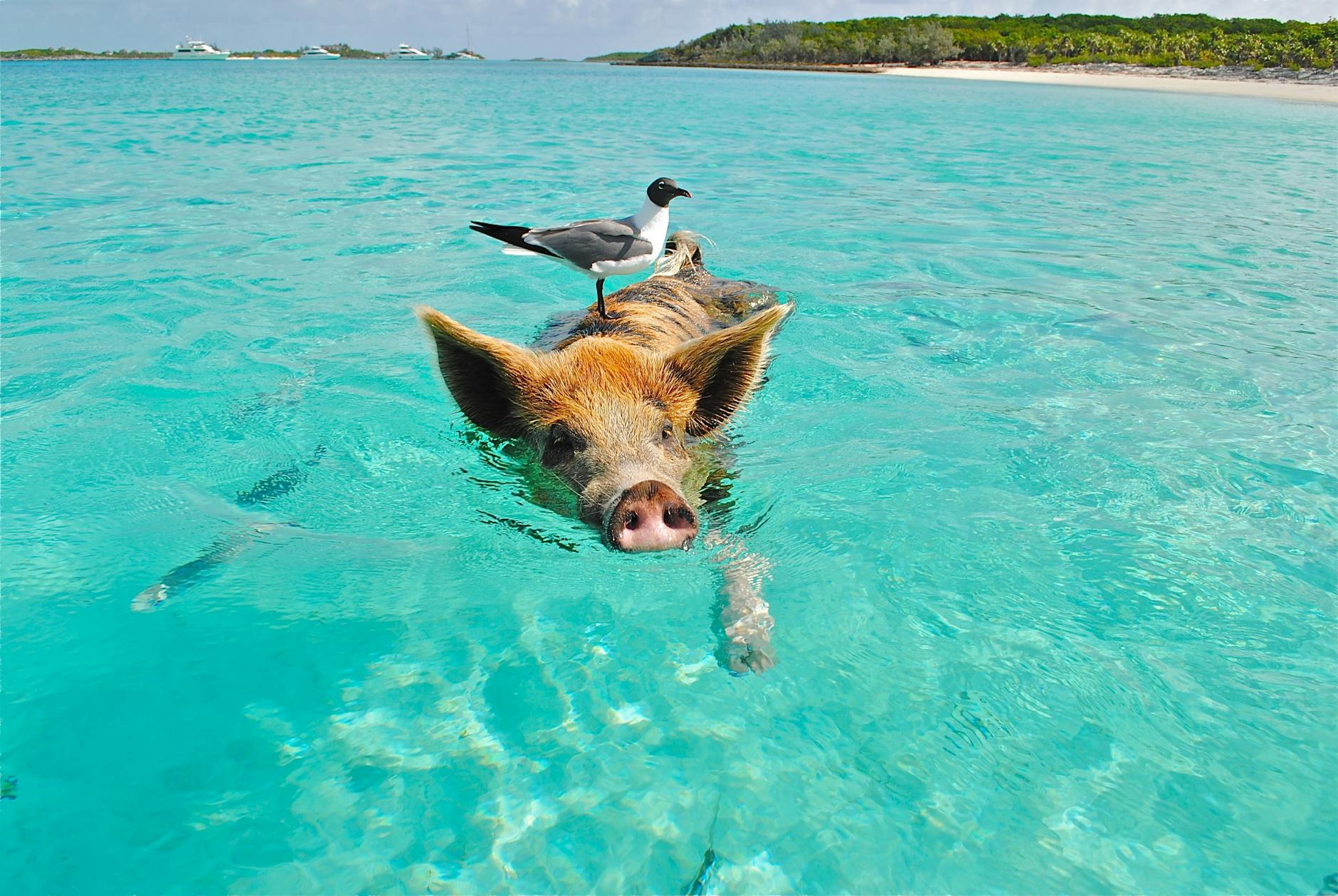
Swimming with pigs has become famous at Pig Beach on Great Exuma. The pigs waddle right into the water to greet swimmers. These pigs are friendly and accustomed to human interaction. Tours include time swimming with the pigs and exploring nearby islands. The experience makes an unforgettable story and photo opportunity. Book tours through Nassau operators or directly through Exuma resorts.
More Water Sports Options
Kayaking through mangrove forests and shallow bays showcases Bahamian ecosystems. Mangroves provide nurseries for fish and protect coastlines. You paddle through narrow channels observing birds, fish, and crustaceans. Several eco-tour operators offer guided kayaking adventures. The activity suits all fitness levels and ages. Early morning kayaking increases wildlife sightings.
Paddle boarding combines exercise with beautiful views of Bahamian waters. Stand-up paddle boards (SUPs) can be rented at most major beaches. The activity works well for solo travelers and couples. Beginners can paddle in shallow, protected waters near shore. More advanced paddlers explore deeper areas and outer islands. Many SUP yoga classes combine water sports with wellness activities.
Fishing excursions appeal to visitors seeking adventure and relaxation. Salt water fishing targets grouper, snapper, and lobster depending on season. Deep sea fishing expeditions chase marlin and tuna. Fly fishing in shallow waters offers sight fishing for bonefish. Charter boats depart daily from Nassau and other islands. Guides handle equipment and teach fishing techniques to beginners.
Things To Do in the the Bahamas at Night

Junkanoo festivals celebrate Bahamian culture with vibrant nighttime celebrations. The main festivals occur on Boxing Day (December 26) and New Year's Day. Thousands of locals and tourists gather for street parties with music and dancing. Costumed performers wear elaborate handmade outfits. The festival features brass bands, whistles, and cowbells creating incredible noise. Hotels often host special dinners and viewing parties for the events.
Beach bars and restaurants offer dining with ocean breezes and sunset views. Arawak Cay (Fish Fry) in Nassau buzzes with locals eating seafood. Multiple small restaurants operate from wooden shacks serving conch salad and grilled fish. The atmosphere feels authentically Bahamian with steel drum music and laughter. Visitors can walk between restaurants sampling different dishes. The location is safe and welcoming to tourists throughout evening hours.
Nightclubs and live music venues feature top DJs and local performers. Nassau's downtown area concentrates most nightlife venues. Hotels and resorts often host live entertainment in beachfront bars. Piano bars offer sophisticated evening entertainment for couples. Calypso and reggae bands perform at many beachside locations. Opening hours typically run from 9 PM until 3 or 4 AM on weekends.
Evening Entertainment Options
Catamaran dinner cruises combine dining, sailing, and live entertainment. Boats depart at sunset for evening sailing along the coast. Dinner typically includes grilled seafood, fresh salads, and tropical drinks. Musicians and dancers perform throughout the evening. The experience works perfectly for couples seeking romance. Families appreciate the casual atmosphere and kid-friendly food options.
Resort shows and performances entertain guests with Bahamian culture. Fire dancers, limbo contests, and traditional music create festive atmospheres. Many all-inclusive resorts include shows in room rates. Solo travelers often meet other guests during these social events. The shows typically last 60 to 90 minutes. Most resorts offer reserved seating near the stage.
Casino gaming attracts visitors to Atlantis Resort and other venues. The Atlantis Casino operates around the clock with gaming and entertainment. You don't need a resort reservation to visit the casino. Slot machines, table games, and poker rooms operate continuously. The venue hosts live entertainment and special events. Casual dress is accepted, but avoid swimwear inside the casino.
Things To Do in the the Bahamas With Kids
Atlantis Resort offers family-friendly attractions beyond the casino and hotel. The resort features waterslides, lazy rivers, and aquariums. Kids can interact with dolphins and sea lions in controlled programs. The Lost City theme creates an immersive experience. Families can visit attractions without staying at the resort for a day pass fee. The water park provides hours of entertainment for children ages 2 to 16.
Swimming with dolphins creates magical memories for children of all ages. Several operators offer supervised dolphin encounters. Kids learn about dolphin behavior from trained specialists. The experience includes photo opportunities with the animals. Programs last approximately one hour including preparation and education. Children as young as three can participate in some programs with adult supervision.
Junkanoo Beach and Cable Beach welcome families with shallow, safe swimming areas. Lifeguards supervise designated beach sections during peak hours. Vendors rent colorful beach toys, umbrellas, and snorkel equipment. The atmosphere feels safe and family-oriented. Nearby restaurants and bathrooms make extended beach days comfortable. Kids enjoy building sandcastles and exploring tide pools.
Family-Friendly Activities
Snorkeling at shallow reef sites lets children observe tropical fish safely. Glass-bottom boat tours provide underwater viewing without swimming. Kids can wear snorkels and float beside parents in the water. Reef areas near New Providence Island offer calm conditions for young swimmers. Bring seasickness medication if children feel queasy on boats.
The The Bahamas National Museum in Nassau educates children about local history. Exhibits include pirate artifacts, Lucayan Indian culture, and colonial history. Interactive displays engage children with hands-on learning. The museum is air-conditioned and comfortable during hot afternoons. Admission costs are modest, making it budget-friendly for families.
Exploring the Out Islands by boat allows families to discover hidden beaches. Private boat rentals or guided tours provide flexibility. Kids enjoy searching for shells, spotting starfish, and swimming in new locations. Boat operators often provide snorkeling equipment and beach picnics. The experience creates family bonding time away from cruise ship crowds.
PRO TIP: Pack plenty of sunscreen and reapply every two hours for kids. Bring water shoes to protect children's feet on rocky areas. Schedule activities early in the day when children have energy and heat is less intense.
Free Things To Do in the the Bahamas

Junkanoo Beach in downtown Nassau welcomes all visitors at no charge. The beach offers free parking and public access to the waterfront. You can bring your own food and drinks from nearby stores. The beach rarely feels crowded compared to resort beaches. Swimming is safe with lifeguard coverage during peak hours. The location puts you in the heart of Nassau's tourism and cultural areas.
Exploring Nassau's historic downtown requires no admission fee. The Straw Market showcases local crafts and art from Bahamian makers. Walking through the colorful market provides cultural immersion. Government House displays colonial architecture and is sometimes open for viewing. Parliament Square features pink government buildings worth photographing. Street art and murals decorate downtown walls, creating photo opportunities.
Many beaches outside resort areas offer free public access. Walk to less touristy beaches for authentic experiences. These areas let you observe daily Bahamian life. Fishermen may be bringing in their daily catch. You can ask locals for restaurant recommendations and directions. The free beach experience costs nothing but yields cultural rewards.
No-Cost Cultural Experiences
Watching the sunset from any beach costs absolutely nothing. Find a quiet spot and watch the sun disappear into the ocean. Sunsets occur earlier during winter months around 5:30 PM. Summer sunsets happen around 8:30 PM, extending your evening time. Bring a light jacket as temperatures cool after sunset. Solo travelers often meet others watching the sunset together.
Visiting local markets provides free entertainment and cultural exposure. The Fish Fry at Arawak Cay bustles with activity Thursday through Sunday. Observe fishermen selling fresh catches and locals eating lunch. Photography captures authentic Bahamian daily life. The sights and sounds immerse you in local culture. Eating food costs money, but browsing is completely free.
Walking nature trails on public lands often requires no fees. Several trails near Nassau are freely accessible to the public. Hiking through native forest reveals local plant species. You might spot birds, lizards, and native vegetation. Bring water and wear sturdy shoes for comfort. Early morning hikes provide cooler temperatures and better wildlife viewing.
Day Trips From the the Bahamas
The Exuma Cays offer incredible day trip opportunities from Nassau. Powered boat tours leave Nassau daily for the Cays. The journey takes approximately 45 minutes to one hour. Swimming with pigs at Pig Beach tops the list of activities. Thunderball Grotto provides snorkeling and cave exploration. Crystal clear shallow waters let visitors wade between islands. Most tours include lunch, snorkeling equipment, and several island stops.
Harbour Island day trips showcase pink sand and small-town charm. The ferry from Nassau takes about 30 minutes and costs minimal fares. You can walk the entire island in one day. Dunmore Town features colorful colonial buildings and local shops. Restaurants serve fresh seafood at reasonable prices. The island feels peaceful compared to touristy Nassau beaches. Snorkeling near the island reveals healthy coral and tropical fish.
Grand Bahama Island can be visited as a day trip or overnight excursion. The island features the Lucayan National Park with hiking and blue hole exploration. Freeport offers shopping, restaurants, and resort attractions. Scuba diving and snorkeling are excellent around Grand Bahama. Ferry service or quick flights connect Nassau to Grand Bahama. The island offers distinct experiences from New Providence Island.
Other Worthwhile Day Trips
The Berry Islands offer remote island experiences for adventurous travelers. Fishers Island includes excellent snorkeling around the small island. Devil's Cay features shallow waters perfect for beginning swimmers. The islands see fewer tourists than major destinations. Charter boat services provide transportation from Nassau. Pack water and snacks as few amenities exist on the islands.
Andros Island represents the largest Bahamian island with incredible diving. The Andros Barrier Reef ranks among the world's longest. Flights connect Nassau to Andros' small airports. Land-based resorts offer diving certification and guided dives. The island features mangrove forests, blue holes, and unique wildlife. Day trips require early morning departure and late return flights.
PRO TIP: Book day trips through your hotel concierge the day before to secure spots. Bring a waterproof bag for electronics during water activities. Wear a rash guard shirt under your swimsuit for extra sun protection.
Frequently Asked Questions
What Is the Best Time To Visit the the Bahamas for Things To Do?
The best time to visit runs from November through April when temperatures average 26°C (79°F). These months offer perfect weather for water sports and beach activities. Hurricane season ends by November, making travel safer and more predictable. The winter months attract peak tourism, so expect larger crowds and higher prices. However, the pleasant weather makes it worthwhile. December and January are busiest but coincide with holiday festivals and events.
Do I Need a Visa To Visit the the Bahamas?
Most tourists from North America and Europe do not require a visa for short visits to the The Bahamas. Visitors must have a valid passport and can stay up to 30 days visa-free. Return transportation proof and adequate funds for your stay may be requested. Check current requirements with the Bahamian consulate before travel. A few nationalities do require visas, so verify your citizenship status. The visa requirement status changes occasionally, so double-check within 30 days of your trip.
What Water Sports Activities Work for Beginners in the the Bahamas?
Snorkeling represents the easiest water activity for beginners with no prior training needed. Shallow reef areas near Cable Beach and Paradise Island suit first-time snorkelers. Many resorts rent snorkeling equipment affordably. Scuba diving requires certification but operators offer beginner courses. Swimming with dolphins through organized tours is safe with professional guides. Paddleboarding in calm, shallow waters lets beginners develop skills gradually. Kayaking through mangroves suits all fitness and skill levels.
Is the the Bahamas Safe for Solo Travelers?
The The Bahamas welcomes solo travelers with good safety practices. Tourist areas like Cable Beach and resort developments remain well-patrolled. Downtown Nassau has busy, well-traveled streets that feel relatively safe during daytime hours. Avoid walking alone in unfamiliar neighborhoods late at night, especially outside resort areas. Use registered taxis rather than unmarked cabs. Keep valuables secured and stay aware of surroundings. Hotel staff can recommend safe areas and provide practical advice. Many solo travelers visit the The Bahamas annually without incident.
What Should I Pack for a Trip To the the Bahamas?
Pack light, breathable clothing suitable for warm temperatures year-round. Sun protection is essential including high-SPF sunscreen, sunglasses, and wide-brimmed hats. Bring swimsuits and water shoes for beach activities. Reef-safe sunscreen protects marine ecosystems while protecting skin. A light jacket works for air-conditioned indoor spaces and evening breezes. Waterproof bags protect electronics during water activities. Comfortable walking shoes suit exploration of towns and historical sites. Insect repellent helps during evening hours. Medications and prescriptions should be packed in original containers.