
Last updated:
Getting around The The Bahamas requires understanding your transportation options. The The Bahamas parking transport system varies by island and location. Nassau dominates most visitor activity, but the archipelago spans 13,880 square kilometers across multiple islands. You will need different strategies for island hopping versus staying in one place. This guide covers every way to move around The The Bahamas efficiently and affordably.
The The Bahamas sits in the Lucayan Archipelago with a population of 410,000 people. Most visitors arrive at Lynden Pindling International Airport near Nassau. From there, you can rent a car, take a taxi, or use public transport. Your choice depends on your budget, comfort level, and where you want to explore.
Car Rental in the the Bahamas
Renting a car gives you complete freedom to explore The The Bahamas at your own pace. Major rental companies operate at Lynden Pindling International Airport. You will find Hertz, Avis, Budget, and local companies offering competitive rates. Book online before arrival to secure better deals and ensure vehicle availability.
You must be at least 21 years old to rent a car in The The Bahamas. A valid driver's license from your home country works for most visitors. International driving permits are helpful but not required for most nationalities. Bring your license and a credit card for the security deposit.
Cars rent on a daily basis with rates varying by season. High season from November to April costs more than summer months. Compact cars suit Nassau and Paradise Island roads well. Larger vehicles help if traveling to outer islands or rougher terrain. Always inspect your rental car before leaving the lot. Document any existing damage with photos or video.
Parking in Nassau can be challenging during peak hours. Most hotels offer complimentary parking for guests. Downtown Nassau has limited street parking, so use paid lots when needed. Beach areas typically have free parking nearby. Always lock your vehicle and avoid leaving valuables inside.
Taxis in the the Bahamas
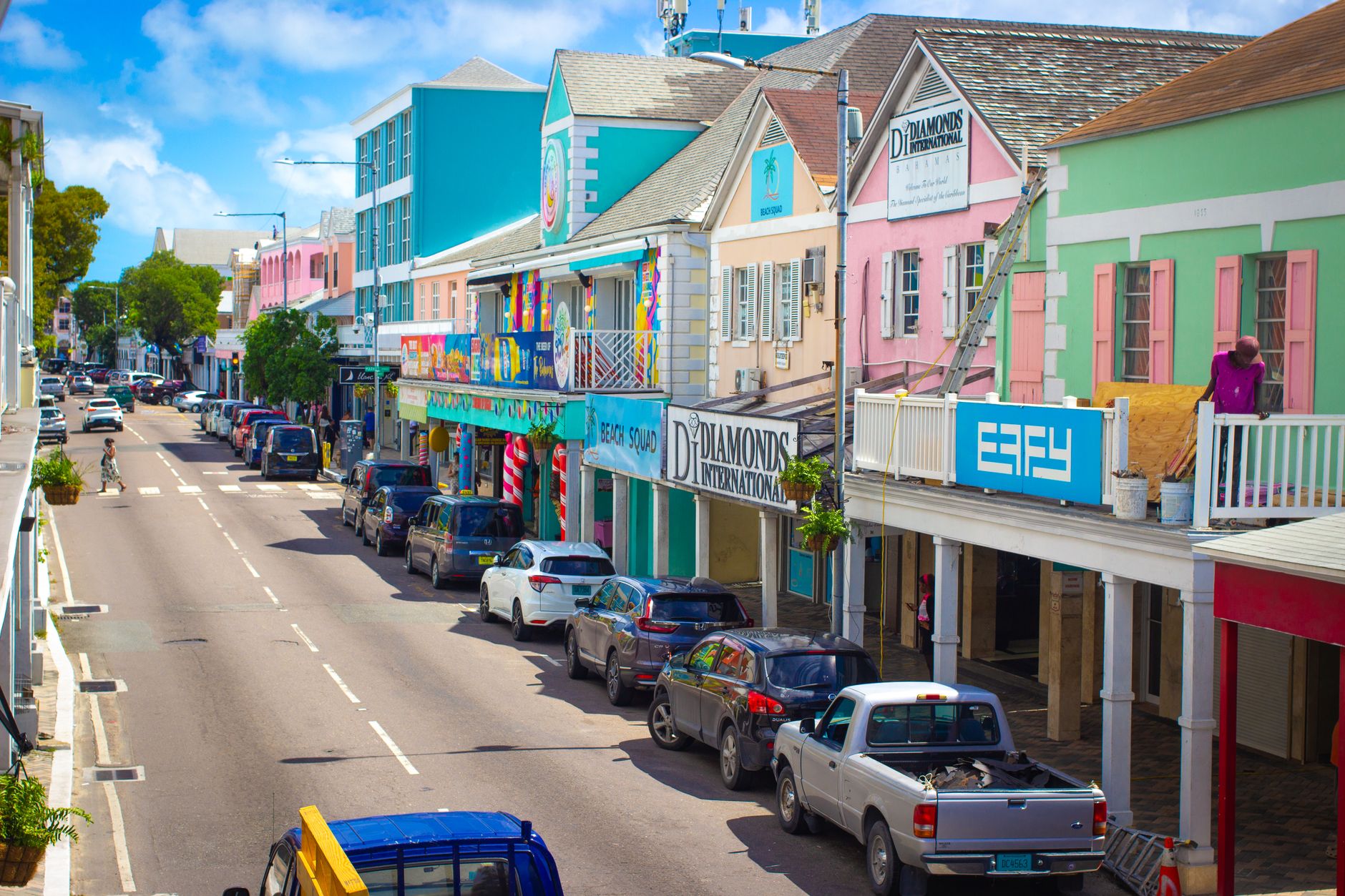
Taxis operate throughout Nassau and nearby islands. You will find taxis at the airport, hotels, and major attractions. Drivers know local routes and can recommend food-restaurants and activities. Taxis are metered in theory, but agree on fares before entering the vehicle.
Taxi fares from Lynden Pindling Airport to downtown Nassau range moderately. The journey takes about 20 to 30 minutes depending on traffic. Airport taxis are official and authorized, making them reliable choices. Avoid unmarked vehicles or taxis that lack proper identification.
Drivers accept Bahamian dollars and US dollars. Tipping is customary at 15 percent of the fare. Many drivers provide commentary about local history and culture. Ask your driver for tips on local restaurants and hidden beaches.
Call ahead for taxis or use hotel concierge services to arrange transportation. This prevents long waits and ensures reliable service. Evening and night travel is safer using official taxis. Avoid traveling alone late at night via taxi when possible.
PRO TIP: Ask your hotel concierge to arrange a taxi with a fixed rate before your trip. This prevents fare disputes and gives you peace of mind. Many drivers offer all-day rates for exploring multiple attractions.
Public Transport Options
Jitney buses are the most common public transport in Nassau. These colorful buses follow set routes throughout the city. You pay cash fares that are very affordable. Jitneys are authentic and let you experience daily Bahamian life.
Bus routes cover downtown Nassau, cable beach, and residential areas. Jitneys stop frequently to pick up and drop off passengers. Travel times vary depending on how many stops the driver makes. They offer an economical way to reach shopping areas and beaches.
Ferry service connects Nassau to nearby islands like Bimini, Eleuthera, and Exuma. Ferries depart from downtown Nassau or Paradise Island. Journey times range from 30 minutes to several hours depending on destination. Ferry schedules change seasonally, so check in advance.
Ferry fares are reasonable and include views of surrounding waters. Book tickets at the dock or online before your trip. Ferries operate daily with multiple departures. This is an excellent option for island hopping without renting a car.
Getting Around the the Bahamas on a Budget

Choosing the right transport method saves significant money. Using jitneys instead of taxis reduces costs dramatically. One jitney fare costs a fraction of a taxi ride. You will save money by staying in one area rather than moving between islands.
Walking is free and lets you explore neighborhoods thoroughly. Nassau's downtown area is walkable for most visitors. Cable Beach has a pleasant promenade for walking. Paradise Island offers walking paths and scenic routes.
Negotiate taxi fares before getting in the vehicle. Many drivers will accept lower fares if you discuss price upfront. Travel during daylight hours when you can use cheaper jitneys. Avoid airport taxis when possible and use jitneys from nearby stops instead.
Ferry travel costs less than flying between islands. Compare ferry and flight prices before booking transportation. Multi-day ferry passes offer better value than single tickets. Group travel allows splitting taxi costs among passengers.
Stay at accommodations in residential areas rather than tourist zones. This reduces your transport needs and puts you closer to local amenities. Many guesthouses provide information about affordable transport options. Ask staff for tips on budget-friendly ways to explore nearby areas.
PRO TIP: Download offline maps before arriving in The The Bahamas. Poor cell coverage exists in some areas, so maps help you navigate without data. Use maps to walk instead of taking taxis for short distances under two kilometers.
Driving in the the Bahamas: What To Know
Driving rules in The The Bahamas differ from North American standards. Traffic moves on the left side of the road, British style. Seat belts are mandatory for all passengers. Speed limits are posted in miles per hour on main roads.
Main roads around Nassau are well maintained and clearly marked. Side roads and outer island routes can be rough. Potholes exist on some secondary roads. Drive slowly and carefully on unfamiliar routes.
Parking transport logistics matter when renting a car. Many hotels charge daily parking fees, though many include it free for guests. Street parking in downtown Nassau is paid and limited. Beach parking is usually free but can fill quickly during peak hours.
Keep your rental agreement and proof of insurance with you while driving. Police conduct occasional traffic stops. Follow all traffic signs and signals. Speeding violations result in significant fines that officers may collect immediately.
Fuel is available at gas stations throughout Nassau and on major islands. Fuel prices are higher than North America. Fill up early if traveling to remote areas. Some outer islands have limited fuel availability.
Driving at night requires extra caution due to poor street lighting in some areas. Avoid driving alone after dark on unfamiliar roads. Use headlights in low visibility conditions. Be aware of pedestrians and cyclists who may lack reflective gear.
Scooter and Bike Rental
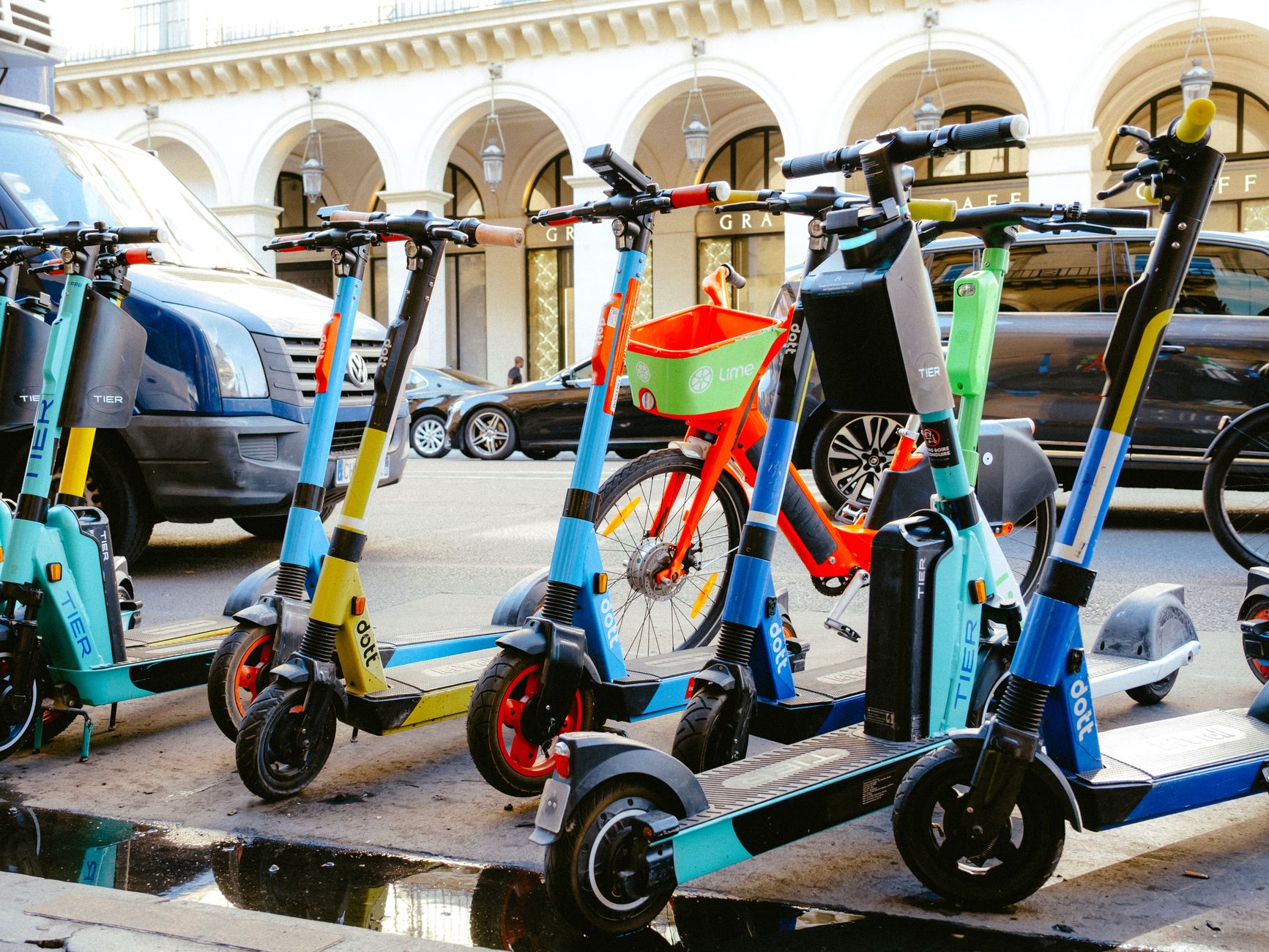
Scooters and bicycles offer alternative transport options in The The Bahamas. Several companies rent scooters near cable beach and downtown Nassau. Rental shops are located close to major tourist hotels. Scooters cost less than car rentals for day trips.
Riding a scooter requires a valid motorcycle license in your home country. Helmets are mandatory by law. Wear protective gear including long pants and closed shoes. Never ride under the influence of alcohol or drugs.
Bicycles work well for flat terrain around Nassau's beaches. Cable Beach has dedicated areas for cycling. Paradise Island offers bike paths through landscaped grounds. Bicycles are ideal for environmentally conscious travelers.
Traffic in Nassau can be heavy during rush hours. Exercise caution when riding scooters or bikes among cars. Stay in marked bike lanes when available. Use hand signals and maintain awareness of surrounding traffic.
Insurance coverage for scooter rentals varies by company. Verify what liability coverage the rental includes. Some travel insurance policies cover scooter rentals. Read all terms before renting any vehicle.
Store helmets and gear securely when not in use. Most rental companies provide locked storage. Never leave helmets on a vehicle seat unattended. Return rented equipment on time to avoid extra charges.
PRO TIP: Rent a bicycle for exploring Cable Beach at dawn. Early mornings mean fewer crowds and safer riding conditions. Bring water and sunscreen as shade is limited on beach roads. Return your bike before midday heat reaches its peak.
Frequently Asked Questions
Do I Need an International Driving Permit in the the Bahamas?
Most visitors from North America and Europe can drive with their home country license. An international driving permit is helpful if your license is not in English. Rental car companies accept valid licenses from most countries. Always carry your original license when driving. Contact your car rental company about specific requirements before arrival.
What Is the Best Way To Get From the Airport To My Hotel?
Airport taxis are the most convenient option from Lynden Pindling International Airport. Pre-arranged shuttles through your hotel save money if traveling with family. Jitney buses offer the cheapest option but require walking to nearby stops. Car rentals work if you plan extensive exploration during your stay. Ride-sharing services may operate in Nassau for additional convenience options.
Can I Use My US Driver's License To Rent a Car in the the Bahamas?
Yes, a valid US driver's license works for car rentals in The The Bahamas. You must be at least 21 years old for most rental companies. Present your license at the rental desk along with a credit card. An International Driving Permit adds extra documentation if desired. Some rental companies have age surcharges for drivers under 25 years old.
Are Parking Spaces Hard To Find in Nassau?
Parking in downtown Nassau during business hours can be challenging. Most hotel guests enjoy complimentary parking included with their room. Beach areas typically offer free parking within walking distance. Paid parking lots operate in central Nassau for short-term parking needs. Arriving early at attractions helps you find better parking spaces.
What Transportation Option Is Best for Visiting Multiple Islands?
Ferry service is ideal for island hopping without renting cars on each island. Domestic flights connect major islands but cost significantly more. Multi-day ferry passes offer better value than purchasing individual tickets. Jitney buses work for exploring specific islands after arriving by ferry. Consider staying multiple nights on each island to maximize your time there.