
Last updated:
Flights To the the Bahamas
Learning the The Bahamas how to get there starts with understanding your flight options. Most visitors arrive by air at Lynden Pindling International Airport on Nassau. This airport serves as the main hub for the entire archipelago. Major carriers operate multiple daily flights from the United States. You can also find flights from Canada, the United Kingdom, and other countries.
The flight time from Miami is just 45 minutes. From New York, expect about three and a half hours. From Toronto, the journey takes approximately four hours. Direct flights connect the The Bahamas to most major North American cities.
Many travelers fly into Miami first, then take a short hop to Nassau. This option sometimes offers cheaper fares. You should compare prices on major booking sites before purchasing tickets. Airlines like American Airlines, Southwest, JetBlue, and Bahamasair serve this route regularly.
Book your flights during the shoulder seasons for better prices. The best months (November through April) attract more tourists but offer excellent weather. Hurricane season runs from June through November. The rainy season occurs in May and June. Flights cost less during summer months, but weather becomes unpredictable.
Direct Flight Options
Most major U.S. airports offer direct service to Nassau. Cities like New York, Boston, Atlanta, and Chicago have regular flights. Miami serves as the primary connecting hub for regional flights. From there, you can reach smaller islands more easily.
International travelers should check their home country's airline partners. Many offer codeshare agreements with carriers flying to Nassau. This means you can book through your local airline but fly on another carrier's plane.
Connecting Flights and Layovers
Many visitors connect through Miami, Atlanta, or Fort Lauderdale. These layovers typically last one to three hours. You should allow at least two hours between flights for international connections. Domestic connections need only 60 to 90 minutes in most cases.
Always collect your baggage at your final destination. Most airlines will check bags straight through to Nassau. This saves time when you arrive. However, confirm this with your airline when booking.
PRO TIP: Book flights on Tuesday or Wednesday for the lowest fares. Prices rise on weekends and during school holidays. Set up price alerts on booking websites to catch deals early.
The the Bahamas Airport Guide
Lynden Pindling International Airport (airport code NAS) handles all major incoming flights. The airport sits on Paradise Island, just east of Nassau. It receives both domestic and international flights daily. The modern terminal has all standard amenities you expect.
Upon arrival, you pass through immigration and customs. Have your passport ready and filled out. Visitors from the United States, Canada, and the European Union pass through quickly. The process usually takes 30 minutes or less on normal days. Weekends and peak season may extend this to 45 minutes.
The airport operates one main terminal building. You will find ATMs, currency exchange counters, and tourist information desks throughout. The exchange rate at the airport matches rates elsewhere in Nassau. Many travelers prefer using ATMs to withdraw local currency. Bahamian dollars are at a fixed 1:1 ratio with U.S. dollars.
Airport Facilities and Services
The terminal includes food-restaurants, cafes, and shops. You can grab food or drinks before leaving the airport. Prices are higher than in town, so budget accordingly. The airport has free WiFi available to all passengers.
Car rental companies operate desks in the arrivals area. You can book a car on the spot or ahead of time. Major companies include Hertz, Avis, and Budget. International Driver's Permits work in the The Bahamas, but your home license usually suffices.
Luggage carts are available free of charge. Porters offer assistance for a small tip. The baggage claim area is well organized. Oversized bags move to a separate carousel.
Leaving the Airport
Exit the terminal to the ground level. Taxis, rental cars, and hotel shuttles wait in designated areas. Follow signs directing you to your transport method. The airport is organized with clear signage throughout.
Duty-free shops are located near the departure area. You can purchase liquor, perfume, and tobacco at reduced prices. These shops serve departing passengers only. Keep your boarding pass to enter.
PRO TIP: Use U.S. dollars throughout the The Bahamas. Most businesses accept them at equal value to Bahamian dollars. This eliminates exchange fees and simplifies transactions.
Getting From the Airport To Your Hotel
You have several transport options from Lynden Pindling International Airport to your accommodation. Taxis are the most common choice for visitors. Rental cars work well if you plan to explore beyond Nassau. Ride-sharing services, shuttles, and public buses offer budget-friendly alternatives.
Taxi Service
Taxis line up outside the airport terminal in a designated area. No meters exist in the The Bahamas, so fares are fixed by distance and zone. Ask the dispatcher for an estimated fare before boarding. A ride to Nassau city center costs about 25 dollars for up to four passengers. To Paradise Island or Cable Beach, expect 30 to 35 dollars.
Taxi drivers accept both Bahamian and U.S. dollars. Tipping is customary at 10 to 15 percent. The drivers are friendly and knowledgeable about the islands. They can recommend restaurants and attractions during your ride.
Ride-sharing apps like Uber operate in Nassau. Use these if you prefer knowing the exact fare upfront. Download the app before your trip. Airport pickups work smoothly with clear meeting points.
Rental Cars
Renting a car gives you independence to explore at your own pace. You drive on the left side of the road in the The Bahamas. An International Driver's Permit helps, but your home license usually works fine. Book online before arrival for better rates.
Gas stations dot the island. Fuel costs more than in the United States. Insurance is required and often included in your rental. Inspect the car for damage before leaving the lot and have staff document any issues.
Roads in Nassau are well-maintained. Driving outside the city becomes more challenging. Many outer islands lack paved roads entirely. Speed limits are 50 kilometers per hour in towns and 80 on highways.
Shuttles and Hotels Transfers
Many hotels offer complimentary shuttle service from the airport. Ask about this when booking your room. Some resorts include it automatically. Others charge a small fee. Confirm details before arrival.
Hotel shuttles depart regularly on set schedules. You may wait 20 to 30 minutes for departure. Multiple guests often share one shuttle. This is the most economical option if your hotel offers it.
Private transfer services can be arranged in advance. These are more expensive than taxis but offer convenience. Drivers meet you with a sign at arrivals. This works well for families with young children and heavy luggage.
Public Transportation
Jitney buses operate throughout Nassau and Paradise Island. These colorful minibuses run set routes at low fares. A ride typically costs 1.25 dollars. They pick up and drop off anywhere along the route. No set schedule exists, so buses come when they come.
Jitneys are an authentic way to experience local transport. They get crowded during rush hours. You will see how locals really live. Buses run from early morning until evening.
PRO TIP: Get a SIM card or cellular plan at the airport if you need navigation. Google Maps works well but requires data. Local SIM cards cost less than roaming fees.
Ferry and Cruise Options
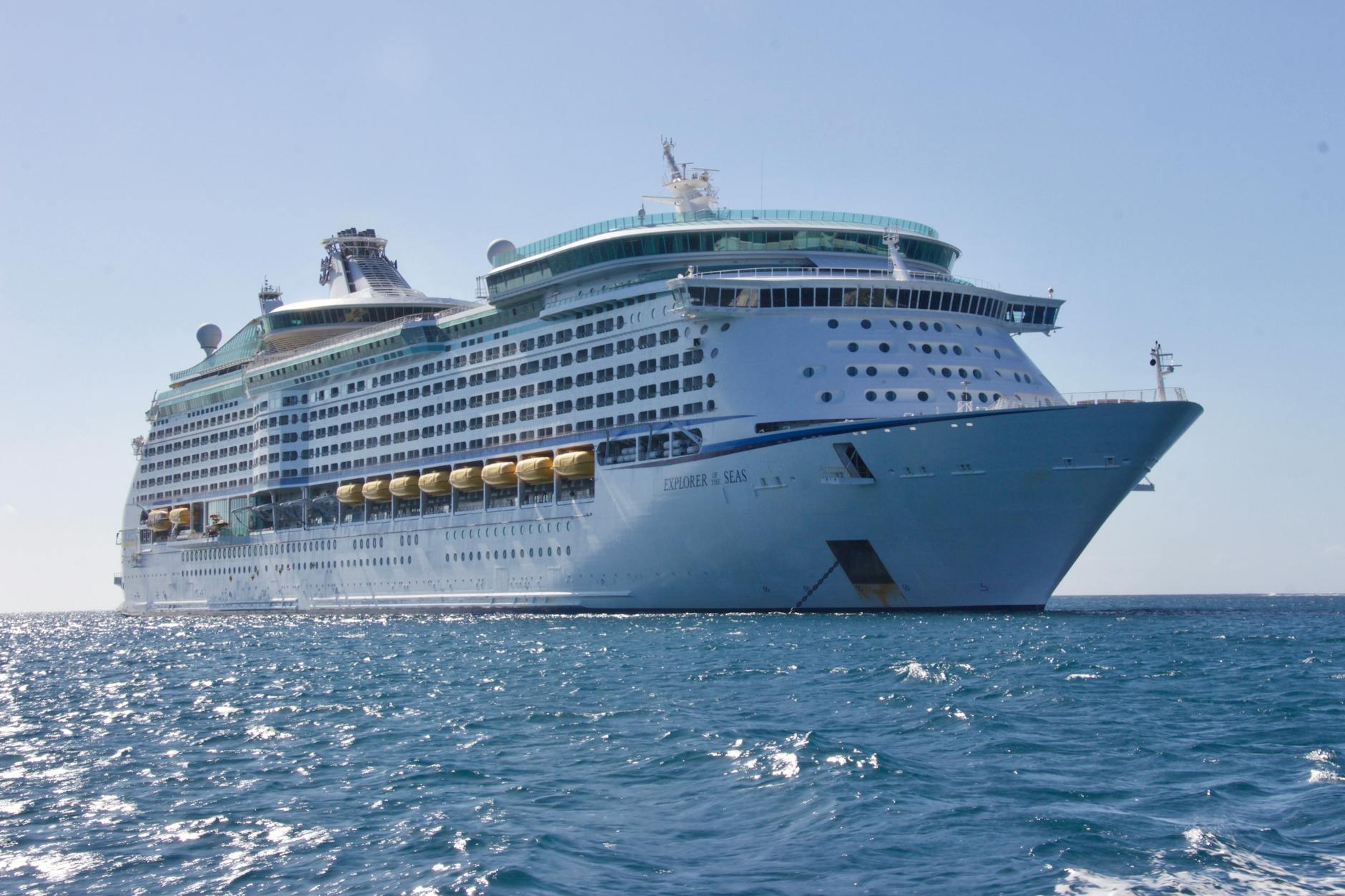
Ferries connect Nassau to many outer islands in the The Bahamas. These provide fun alternatives to flying for inter-island travel. Ferries are slower than planes but often cheaper. The journey takes anywhere from 30 minutes to two hours depending on destination.
The primary ferry operator is The Bahamas Ferries. They run multiple daily routes to islands like Eleuthera, Exuma, and the Abacos. Purchase tickets at the Ferry Terminal in downtown Nassau. Ferries depart in the early morning or afternoon. Schedules change seasonally, so check ahead.
Cruise ships dock at Nassau's Prince George Wharf. Thousands of passengers arrive daily during high season. The port sits in the city center. Walking to downtown takes about 15 minutes.
Ferry Details and Routes
Ferries to the Exuma islands depart early each morning. The journey takes about 90 minutes. You reach Staniel Cay, Black Point, and other small settlements. Return ferries leave in late afternoon, allowing time to explore.
The Eleuthera route takes two to three hours. Ferries go to Harbour Island and Spanish Wells. These islands offer excellent beaches and small-town charm. Hurricanes can affect ferry schedules during summer months.
Abacos ferries leave from Potter's Cay. The trip takes 60 to 90 minutes. Popular destinations include Marsh Harbour and Green Turtle Cay. Book tickets in advance during peak season.
Cruise Ship Arrivals
Nassau is a major cruise ship hub with multiple daily arrivals. Ships dock right in the city center. Passengers can explore downtown easily on foot. The cruise terminal has shops, restaurants, and tour operators.
If you arrive by cruise ship, you have limited time ashore. Most ships dock for 8 to 12 hours. Popular activities include shopping, beach time at Paradise Island, and water sports. Tours depart from the dock every hour.
Many cruise itineraries include stops at smaller islands. These ports have fewer facilities but authentic charm. Tender boats take passengers from the ship to shore. Always return to the ship at least 30 minutes before departure.
Getting To the the Bahamas From Nearby Islands
Several Caribbean islands sit within easy reach of the The Bahamas. Inter-island flights connect Nassau to many neighboring destinations. Ferry services link some islands seasonally. Understanding these connections helps plan multi-island vacations.
Flights From Neighboring Islands
Miami sits just 45 minutes away by air. It serves as the main gateway to the The Bahamas from the mainland. Most international flights connect through Miami before heading to Nassau.
Caribbean islands like Turks and Caicos Islands are accessible by flight. The journey takes about 60 minutes. Several airlines operate this route. These flights cost more than mainland connections but offer island convenience.
Jamaica and Puerto Rico have flights to Nassau. These are longer routes taking three to four hours. You will often connect through Miami or Fort Lauderdale. Direct flights exist but operate less frequently.
Regional Ferry Services
Some ferry services connect the The Bahamas to Florida. These run seasonally and depend on demand. Check current schedules before planning ferry travel. Services between Caribbean islands and the The Bahamas are limited.
Within the The Bahamas, ferries connect the main island to the Exumas, Abacos, and Eleuthera. These are day-trip friendly routes. Ferries depart early morning and return the same evening. This allows you to visit multiple islands without overnight stays.
Travel Planning Tips for Island Hopping
Book inter-island flights well in advance. Regional airlines have small planes with limited seats. Popular routes fill quickly during peak season. Direct booking sometimes costs less than travel websites.
Pack light if planning multiple islands. Small aircraft have strict baggage limits. Each passenger typically gets one bag plus a small carry-on. Extra baggage incurs additional fees.
Allow extra time between connections. Inter-island flights can run late due to weather. Miss a connection and you may wait hours for the next flight. Build buffer time into your itinerary when possible.
PRO TIP: Get travel insurance if visiting multiple islands. Weather delays can disrupt carefully planned island-hopping itineraries. Insurance covers unexpected changes and emergency flights home.
Transport Tips and Costs
Getting around the The Bahamas efficiently requires knowing your transport options and costs. The islands have limited public transportation compared to mainland destinations. Taxis dominate in Nassau. Rental cars work well for exploring. Water taxis serve island communities.
In-City Transportation
Nassau has jitneys running throughout the city. These colorful minibuses cost about 1.25 dollars per ride. Exact change helps since drivers sometimes lack it. Jitneys run from early morning until dusk.
Taxis are available everywhere in Nassau. Fixed-rate zones apply throughout the city. A ride within Nassau costs 5 to 15 dollars depending on distance. Longer trips to Cable Beach or Paradise Island run 25 to 35 dollars.
Walking works well in downtown Nassau. The downtown area is compact and pedestrian friendly. Stick to main streets after dark. The Nassau Straw Market is a must-visit for handmade goods and souvenirs.
Out-of-City Travel
Rental cars cost between 40 and 100 dollars daily depending on vehicle size. Book online for the best rates. Gasoline is expensive compared to North American prices. Drive on the left side of the road like in the United Kingdom.
Scooters and ATVs rent for 30 to 50 dollars daily. These work well for exploring outer islands. Be cautious on unfamiliar roads. Check that insurance covers rental two-wheelers.
Water taxis connect smaller islands and settlements. These small speedboats hold 10 to 20 passengers. Fares vary by distance but average 5 to 15 dollars. Water taxis depart on demand rather than on schedules.
Budget Planning
Plan 100 to 150 dollars daily for transport if renting a car. Budget 30 to 50 dollars daily for taxis and jitneys. Inter-island flights cost 50 to 150 dollars each way. Ferry rides range from 15 to 60 dollars depending on destination.
Food and lodging costs vary widely. Budget hotels run 80 to 150 dollars nightly. Mid-range resorts cost 150 to 300 dollars. Fine dining averages 25 to 50 dollars per meal. Street food and casual restaurants cost 8 to 15 dollars.
Attraction costs depend on your interests. Beach access is free. Scuba diving excursions run 100 to 150 dollars. Water sports like jet skiing cost 50 to 100 dollars per hour. Museum entry fees typically range from 5 to 15 dollars.
Money-Saving Transport Tips
Use jitneys instead of taxis to save money. They are slower but substantially cheaper. Ask locals which jitney goes to your destination. Mix taxis and jitneys depending on your schedule and budget.
Book rental cars for multiple days to get discounts. Week-long rentals cost significantly less per day. Split costs with fellow travelers when possible. Group rides save everyone money.
Stay in areas with good jitney service. Ocean Paradise and Paradise Island are convenient but pricey. Arawak Cay or Fox Hill offer better value. You will experience authentic local neighborhoods.
Frequently Asked Questions
1. Do I Need a Passport To Visit the the Bahamas?
Yes, you need a valid passport for all international travel to the The Bahamas. It must be valid for at least six months beyond your travel dates. Cruise ship passengers from the United States can sometimes use an enhanced driver's license or a REAL ID instead, but a passport is recommended. Children need their own passports. Renew expired passports before your trip as this process takes weeks.
2. What Is the Best Way To Get From the Airport To My Hotel?
Taxis are the most convenient option, with fixed rates and quick service. If your hotel offers a complimentary shuttle, use it to save money. Ride-sharing apps like Uber provide upfront pricing and direct routes. For budget travelers, public jitneys work but require patience. Rental cars suit those planning to explore beyond Nassau. Choose based on your budget, luggage, and travel plans.
3. Is It Cheaper To Fly Directly To Nassau or Connect Through Miami?
Connecting through Miami often costs less, especially on budget airlines. However, direct flights save time and eliminate missed connection risks. Compare prices on booking websites, as fares fluctuate daily. Factor in parking or hotel costs if you stay overnight in Miami. Direct flights from major U.S. cities often make financial sense when considering total trip cost.
4. Can I Use U.s. Dollars in the the Bahamas?
Yes, U.S. dollars are accepted everywhere at equal value to Bahamian dollars. Most visitors never need to exchange currency. However, getting some local cash helps with smaller vendors and tips. ATMs dispense Bahamian dollars but accept U.S. bank cards. Restaurants, hotels, and shops readily accept both currencies without premium fees.
5. What Is the Fastest Way To Visit Multiple Islands?
Inter-island flights are fastest but priciest. Ferries take longer but cost less and provide scenic views. Day trips work for nearby islands like Exuma. For extensive island hopping, combine flights and ferries strategically. Book flights well in advance. Build extra time into itineraries for potential weather delays in the Caribbean.