Last updated:
The The Bahamas scuba diving offers some of the Caribbean's most exciting underwater adventures. The Lucayan Archipelago stretches across thousands of miles of pristine ocean. You'll find world-class dive sites near Nassau, the capital, and throughout the islands. The The Bahamas scuba diving attracts beginners and experienced divers alike each year.
Warm Atlantic waters welcome you year-round. Visibility often reaches 100 feet or more. You'll encounter colorful fish, sea turtles, and magnificent coral formations. The The Bahamas sits in one of the world's premier diving destinations.
Best Dive Sites in the the Bahamas
The The Bahamas features dozens of exceptional dive sites. Each location offers unique marine ecosystems and experiences.
Nassau Area Dive Sites
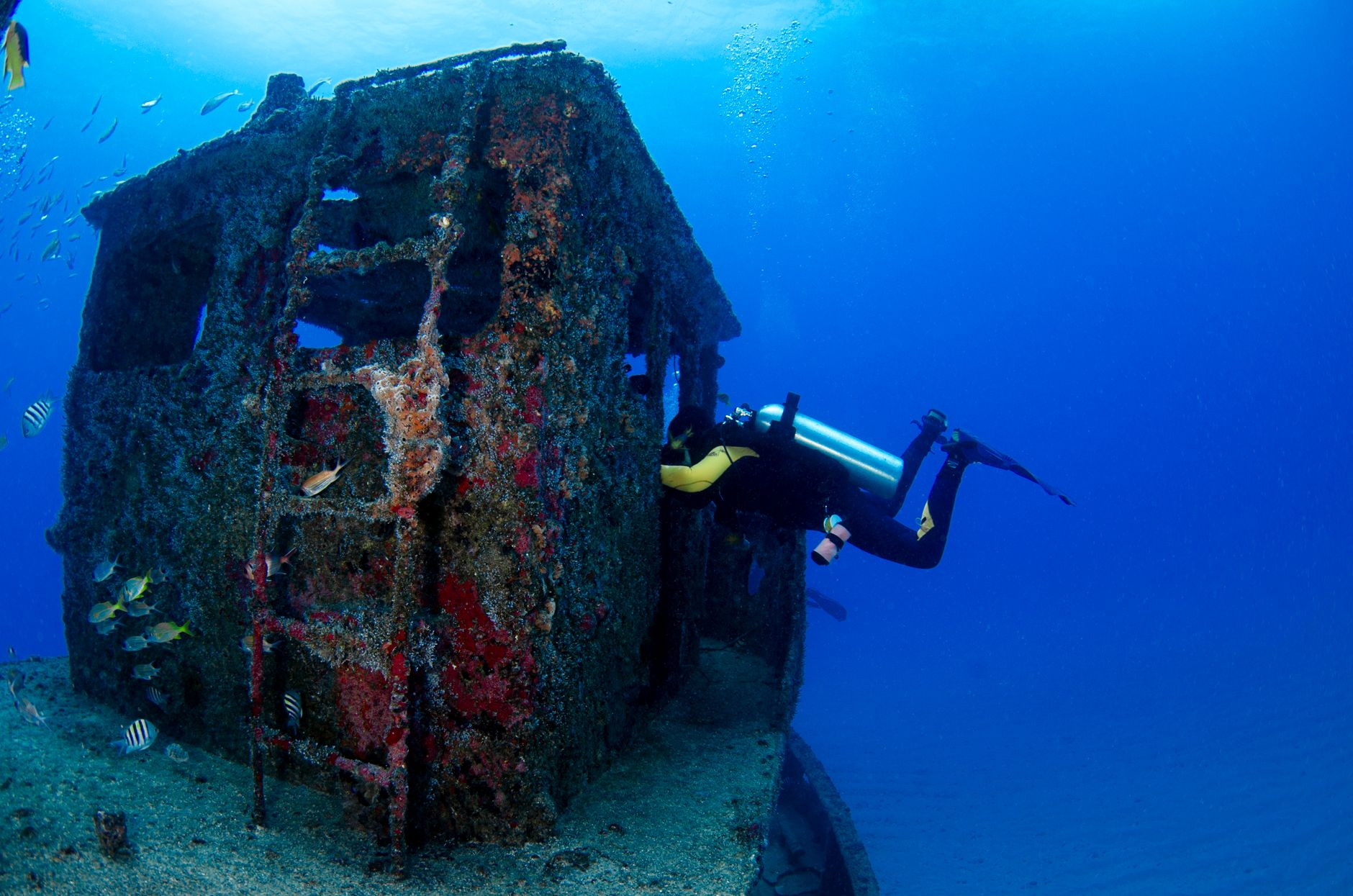
The Thunderbolt wreck sits near New Providence Island. This freighter sank in 1989 and now serves as an artificial reef. Divers explore three decks teeming with marine life. Groupers, snappers, and jacks patrol the structure regularly. The wreck reaches depths of 120 feet, making it ideal for advanced divers.
Coral Gardens lies just off Nassau's coast. Healthy staghorn and elkhorn corals dominate the seafloor. Parrotfish and angelfish graze on the reef constantly. The site reaches only 40 feet deep, perfect for intermediate divers. Visibility typically exceeds 80 feet here.
The Exuma Cays offer pristine diving experiences south of Nassau. Swimming Pigs Beach attracts curious dolphins and nurse sharks. The shallow waters near Compass Cay allow snorkelers and divers to interact safely with sharks. These areas remain world-famous for unique encounters.
Andros Island Dive Sites
Andros Island hosts the Andros Barrier Reef, the world's third-largest reef system. Divers access numerous wall dives and coral formations. The Tongue of the Ocean creates dramatic drop-offs and blue holes. These geological formations fascinate experienced divers from around the globe.
Small Hope Bay Lodge operates diving operations on Andros. The location provides access to pristine, less-crowded dive sites. You'll encounter larger fish populations due to minimal commercial fishing pressure. The island remains relatively undeveloped compared to Nassau.
Eleuthera and the Current Islands
Eleuthera Island stretches 110 miles along the Atlantic. The island's northern sections feature dramatic wall dives. Current Cut and the Devil's Backbone sites offer strong currents and thrilling experiences. Advanced divers navigate these challenging sites regularly.
The Current Islands sit at Eleuthera's northern tip. Rainbow Reef displays vibrant coral growth and abundant fish species. The shallow platform areas suit intermediate divers perfectly. Caribbean reef sharks patrol deeper sections, providing exciting encounters.
PRO TIP: Book dives at least 24 hours in advance during high season (November through April). Most operators require certification cards and log books. Bring copies of your certifications to avoid last-minute complications.
Scuba Diving for Beginners in the the Bahamas
The The Bahamas welcomes new divers with excellent beginner-friendly dive sites. Many locations feature shallow waters and calm conditions.
Beginner-Friendly Sites
Cabbage Beach near Paradise Island offers perfect conditions for new divers. The sandy bottom slopes gently to 40 feet maximum depth. Visibility remains excellent year-round. Abundant small fish species and soft corals create beautiful scenery without intimidating encounters.
Thunderball Grotto appeared in James Bond films. The site sits in the Exuma Cays and features underwater caves. You'll enter through a natural opening and emerge inside a cavern. The maximum depth reaches only 30 feet, making it accessible to beginners.
Blue Holes dot the The Bahamas landscape. These submerged sinkholes create unique diving experiences. Most blue holes feature minimal current and protected conditions. The Sandy Point Blue Hole near Eleuthera offers guided dives suitable for intermediate divers. Beginners should start with shallower blue holes first.
Certification Courses in the the Bahamas
Most dive operators offer PADI certification courses on-site. The Open Water Certification takes three to four days. Instructors conduct pool or confined water training first. Students then complete open water dives at local sites.
Nassauand the Exuma Cays host numerous training centers. Many resorts include dive training in their packages. Instructors speak English fluently and possess years of experience. Certification remains valid worldwide once you complete the course.
What To Expect on Your First Dive
Your first experience begins with a thorough briefing. The dive master reviews hand signals and equipment checks. You'll practice essential skills in shallow water first. The descent happens slowly and deliberately. Your instructor stays directly beside you throughout the dive.
Most first dives last 30 to 40 minutes. You'll reach depths of 30 to 40 feet maximum. Your breathing rate may increase due to nervousness, and that's completely normal. The weightless sensation feels incredible as you descend. Many divers report profound emotional responses to their first underwater experience.
PRO TIP: Eat a light meal two hours before diving. Avoid alcohol the night before your dive. Get plenty of sleep for better focus and safety. Bring sunscreen for the boat ride to protect your skin.
Snorkeling in the the Bahamas
Snorkeling allows non-divers to explore the The Bahamas underwater world. You need only basic swimming ability and comfort with breathing through a tube.
Top Snorkeling Locations
The Exuma Cays rank as the The Bahamas' premier snorkeling destination. Compass Cay allows you to swim with nurse sharks safely. The sharks remain docile and accustomed to human interaction. You'll float above sandy bottoms while observing these graceful creatures up close.
Swimming Pigs Beach features wild pigs that swim in shallow waters. These animals tolerate gentle interaction. Dolphins frequently visit the area. The shallow depths suit snorkelers of all abilities perfectly. Tropical fish congregate near the shore in incredible numbers.
Thunderball Grotto works beautifully for snorkelers. You'll swim into the same cavern as divers but remain at the surface. The entrance glows with ethereal light filtering through openings. Fish schools dart through the water in all directions. The experience feels magical and surreal.
Paradise Island's reefs sit just offshore. Shallow coral formations start in 10 feet of water. Colorful parrotfish and angelfish swim nearby constantly. You can wade into the water directly from the beach. Snorkeling here requires minimal boat transportation.
Essential Snorkeling Equipment
A quality snorkel set includes a mask, snorkel tube, and fins. The mask must fit your face properly to prevent water leaks. Fins provide propulsion without exhausting your legs. Many resorts rent equipment daily, but bringing your own gear ensures proper fit.
A rash guard or wetsuit protects your skin from sunburn and coral scrapes. The The Bahamas sun is intense even on cloudy days. Apply waterproof sunscreen 30 minutes before entering the water. Wear water shoes or reef booties to protect your feet from sharp coral and sea urchins.
Snorkeling Safety Tips
Always snorkel with a buddy system. Never snorkel alone under any circumstances. Stay within designated snorkeling areas. Watch for boat traffic and currents. Avoid touching coral and marine life. Respect wildlife boundaries and observe animals from appropriate distances.
Wear a bright-colored snorkel vest for visibility. Boats cannot always see swimmers in the water. A vest makes you instantly recognizable. The vest also provides flotation assistance if you become tired. Many operators require vests for non-strong swimmers.
Dive Schools and Operators
Numerous professional dive operators serve the The Bahamas. Most maintain excellent safety records and employ certified instructors.
Nassau and Paradise Island Operators
Junkanoo Divers operates from Paradise Island. The company offers daily dives to multiple sites. Their boats accommodate 20 to 30 divers comfortably. Instructors provide excellent customer service and safety briefings. The operation has served Nassau divers for decades.
New Providence Island features numerous dive shops downtown. Most operators provide hotel pickups included in dive packages. Equipment rental is available for all levels of experience. Guided group dives depart daily in the morning.
Exuma Cays Dive Operations
Exuma Cays Land and Sea Park maintains strict environmental regulations. Only licensed operators conduct dives within park boundaries. The park protects marine ecosystems from overfishing and damage. All divers must register before entering park areas.
Staniel Cay Thunderball Lodge offers accommodations and dive services. The location provides easy access to Swimming Pigs and Compass Cay. Daily boat dives explore nearby reefs and blue holes. The lodge includes meals and diving in package deals.
Andros Island Dive Services
Small Hope Bay Lodge specializes in dive training and exploration. The lodge sits on Andros' eastern shore facing the barrier reef. They employ experienced dive masters familiar with local conditions. The facility offers all-inclusive packages for divers.
What To Bring To Dive Operations
Pack your current certification card before any dive trip. Bring your dive log book showing previous experience. Most operators will not allow diving without proof of certification. Bring a copy of your medical clearance form if requested. Pack any personal medications you require daily.
Wear comfortable clothing that's easy to remove. Bring a towel and change of clothes for the boat. A waterproof camera captures incredible moments. Bring cash or credit cards for gratuities and additional services. Tipping your dive master 15 to 20 percent is customary.
PRO TIP: Call dive operators one week in advance to confirm dives. Weather conditions sometimes force cancellations. Ask about group discounts if traveling with friends. Request morning dives for better visibility and calmer water conditions.
What You Will See Underwater
Fish Species
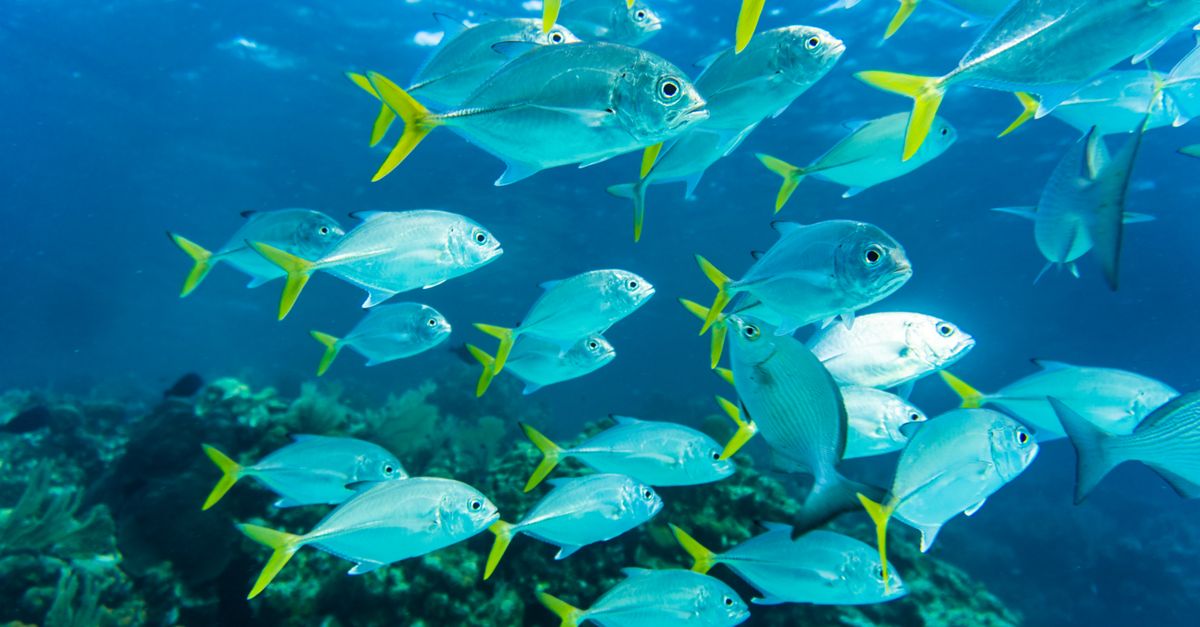
The The Bahamas hosts over 500 fish species. Groupers and snappers dominate deeper reef areas. Parrotfish create sand by eating coral constantly. Angelfish display vibrant yellow and blue markings. Trumpet fish hide among seagrass waiting for prey. Jacks hunt in coordinated schools at dawn and dusk.
Goliath groupers can reach 400 pounds or more. These massive fish appear prehistoric. Smaller grouper species hide in coral crevices. Snappers congregate in large schools. Eagle rays glide gracefully across sandy bottoms. Tarpons cruise the shallow reefs at night.
Large Marine Life
Caribbean reef sharks patrol most dive sites regularly. These sharks rarely threaten humans. Nurse sharks rest on the seafloor during daylight hours. Tiger sharks occasionally appear in deeper waters. Hammerhead sharks visit the deeper blue holes. Great white sharks do not inhabit these waters.
Sea turtles nest on The Bahamas beaches. Loggerhead and green turtles frequent dive sites. These reptiles glide peacefully through the water. Dolphins visit many reefs seeking food. Manatees inhabit shallow bay areas. Whale sharks visit during spring migration seasons occasionally.
Coral and Invertebrates
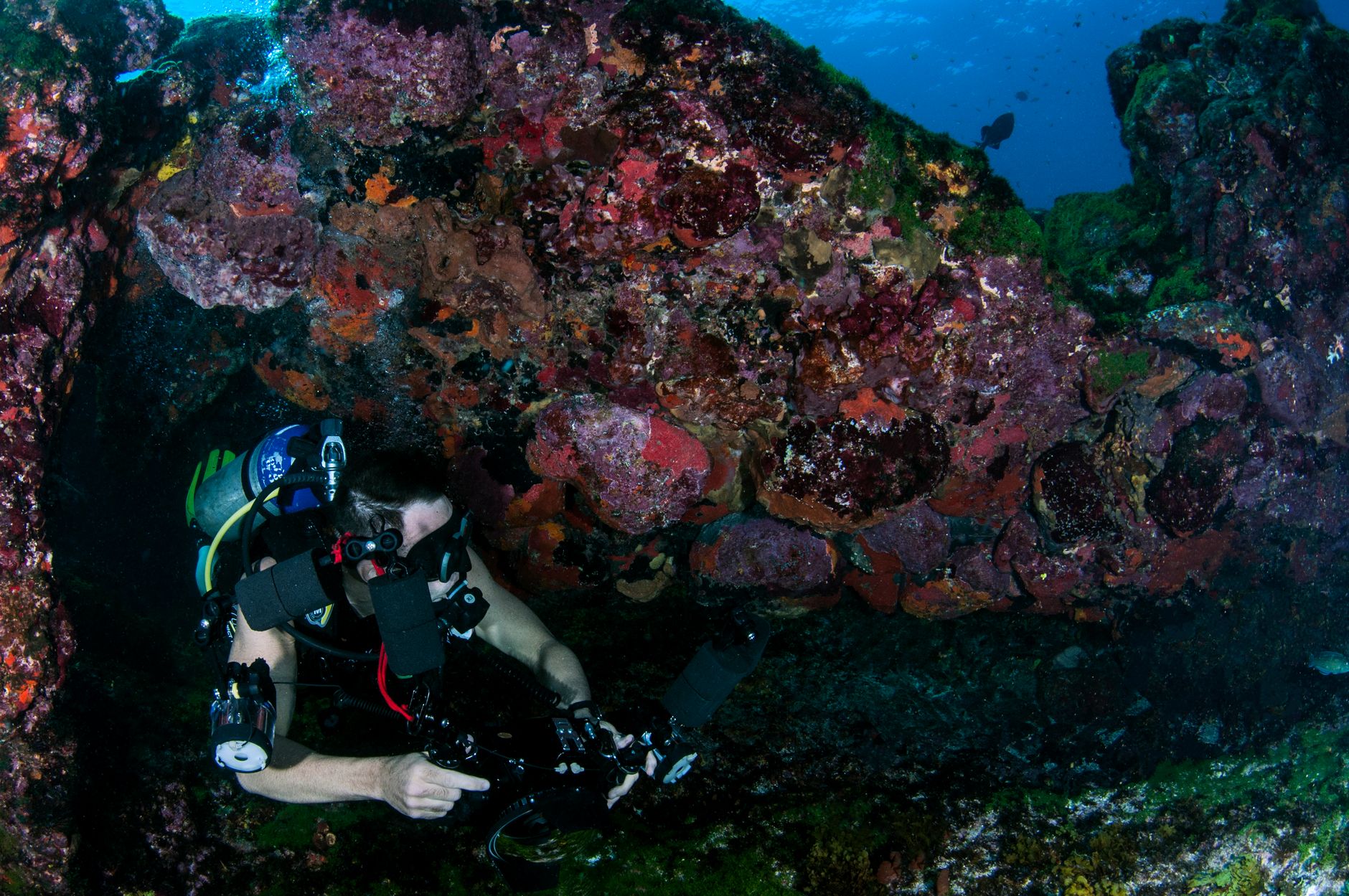
Staghorn and elkhorn corals create the reef structure. Brain corals grow slowly over centuries. Soft corals sway gently with currents. Sea fans filter plankton from the water. Sponges display vibrant reds, yellows, and purples. Some sponges exceed six feet in height.
Lobsters hide in coral crevices during daylight. Spiny sea urchins cover the seafloor. Starfish come in pink, red, and orange varieties. Octopuses change color and texture instantly. Brittle stars emerge from hiding at night. Conchs burrow in sand beds. Crawfish create elaborate den systems.
PRO TIP: Bring an underwater identification guide or download a fish identification app. Learning fish names enhances your dive experience. Point out species to your dive master and ask questions. Most instructors enjoy sharing marine biology knowledge.
Best Time To Dive in the the Bahamas
Peak Diving Season
November through April represents the best diving period. Water temperatures range from 74 to 78 degrees Fahrenheit. Visibility regularly exceeds 100 feet during these months. The weather remains calm with minimal rain. Hurricane season ends in October, guaranteeing safety.
December and January attract the most divers. North American and European tourists escape winter weather. Hotel rooms book months in advance during these months. Expect higher prices and crowded dive sites. Plan ahead for the best experience during peak season.
Off-Season Diving
May through October represents the off-season. Water temperatures rise to 84 degrees Fahrenheit. Visibility drops to 50 to 70 feet on average. Afternoon thunderstorms develop regularly but pass quickly. Hurricane season peaks in September and October.
Off-season offers significant cost savings. Hotels offer discounts of 30 to 50 percent. Dive sites remain less crowded than peak months. Only experienced divers should visit during hurricane season. Most tour operators close facilities in September and October.
Month-by-Month Overview
November and December bring perfect conditions. Water temperature: 77°F. Visibility: 100+ feet. Crowds: moderate to heavy. January and February see peak tourism. Water temperature: 74°F. Visibility: 100+ feet. Crowds: very heavy.
March and April offer excellent diving with fewer crowds. Water temperature: 76°F. Visibility: 80 to 100 feet. Crowds: moderate. May through August see warm water but reduced visibility. Water temperature: 82 to 84°F. Visibility: 50 to 70 feet. Crowds: light to moderate.
September and October bring hurricane risk. Most operators close during these months. Only open-water certified and experienced divers should visit. Water temperature: 84°F. Visibility: 40 to 60 feet. Crowds: very light.
PRO TIP: Book accommodations and dives six months in advance for November through March travel. These months fill quickly. Purchase travel insurance covering hurricane or weather cancellations. Expect to pay premium prices during December and January.
Frequently Asked Questions
How Deep Do You Dive in the the Bahamas?
Dive depths vary depending on experience level and location. Beginner dives rarely exceed 40 feet. Intermediate divers explore depths of 40 to 80 feet. Advanced divers visit sites reaching 120 to 130 feet. Most recreational diving stays between 40 and 60 feet. The Thunderbolt wreck reaches 120 feet maximum. Blue holes extend to 100+ feet in some locations. Always follow your certification level limitations. Your dive master establishes maximum depths during the briefing.
Do I Need Certification To Scuba Dive in the the Bahamas?
Yes, all scuba divers must possess valid PADI, SSI, NAUI, or equivalent certification. Dive operators will not allow uncertified individuals underwater. Most operators accept certifications from any recognized training organization. You must carry your certification card. Beginners can earn Open Water certification in three to four days. Many resorts offer on-site training programs. Your certification remains valid worldwide after completion.
What Is the Water Temperature in the the Bahamas?
Water temperature varies seasonally. November through March: 74 to 78 degrees Fahrenheit. April and May: 78 to 82 degrees Fahrenheit. June through September: 82 to 84 degrees Fahrenheit. October: 80 to 82 degrees Fahrenheit. Most divers wear 3-millimeter wetsuits November through March. A 2-millimeter suit works for summer dives. Thermal protection prevents heat loss and protects against coral. Always bring a wetsuit even during warm months.
How Much Does Scuba Diving Cost in the the Bahamas?
Prices vary widely depending on location and operator. Budget 75 to 125 USD per boat dive. Certification courses range from 400 to 700 USD. Multi-day packages offer discounts of 10 to 15 percent. Equipment rental costs 15 to 30 USD daily. All-inclusive resort packages bundle dives with accommodations. Snorkeling tours cost 50 to 100 USD per person. Always ask about group discounts and package deals.
Is the the Bahamas Safe for Diving?
The The Bahamas maintains excellent diving safety records. Professional operators follow strict international protocols. Sharks pose minimal threat to divers. The government regulates all commercial dive operations. Hurricanes occur only September through October. Most operators close during hurricane season. Ensure your dive operator maintains current certifications. Ask about their safety record and insurance. Follow your dive master's instructions completely.